In September 2008, Goldman Sachs (along with most of its peers) was on the brink of collapse. The reason? Counterparty risk. With most of the banks having a very large exposure to CDOs (Collateralized Debt Obligations) & MBSs (Mortgage-Backed Securities) carry trades, many of these assets being held off-balance sheet, significant and mounting losses on mortgage-backed portfolios (and most other portfolios), and large-scale securities lending operations going on, it became very difficult to value one’s portfolio. Add to this the imposition of conservatorship on Freddie Mac and Fannie Mae on September 6 (these two entities owned or guaranteed 45% of all the residential mortgage in the US), the bankruptcy of Lehman Brothers on September 15th, and bailout of AIG on September 16th, and the situation was desperate.
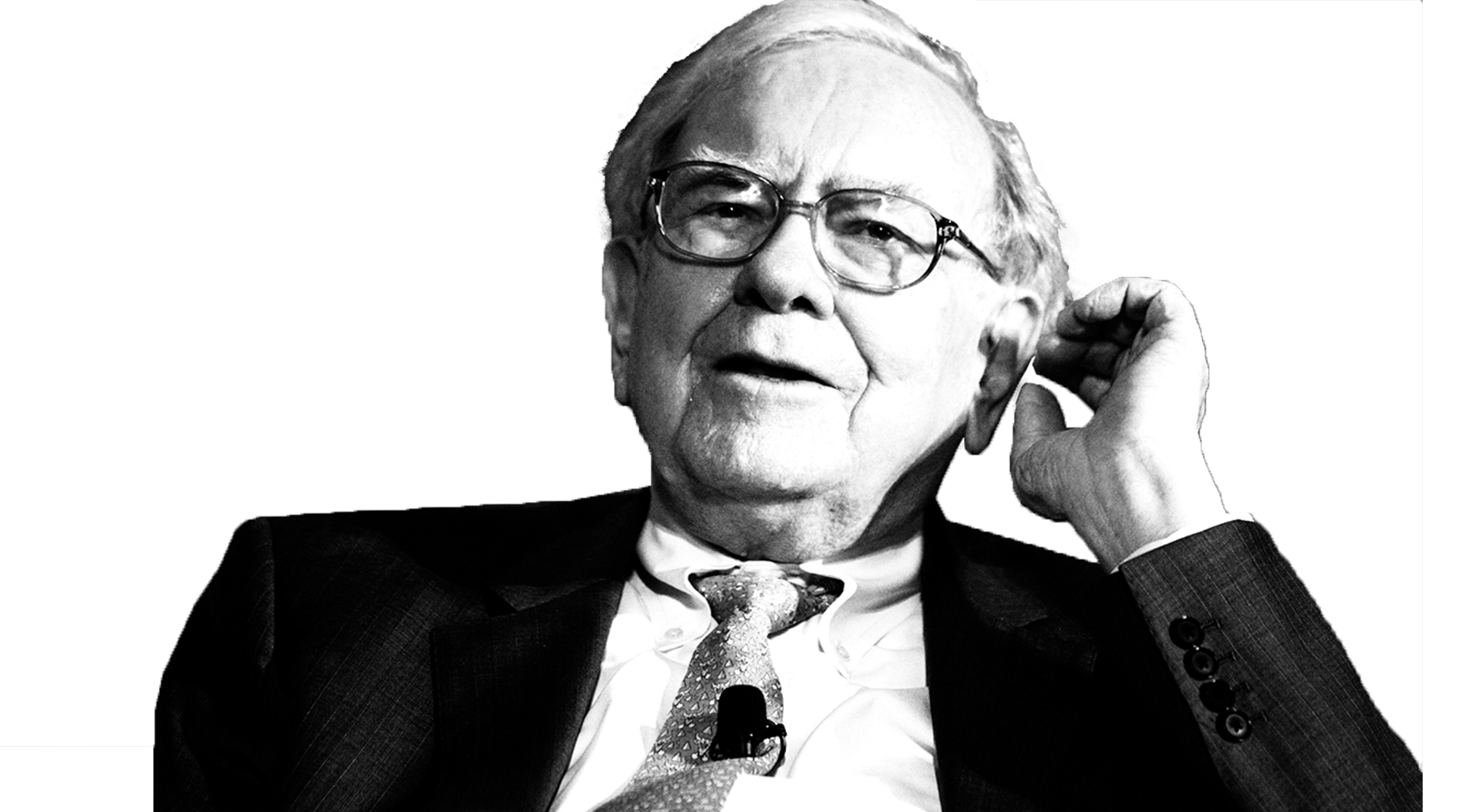
This made Lloyd Blankfein (then CEO of Goldman) approach Berkshire Hathaway’s Warren Buffett for a Private Investment in Public Equity (PIPE) deal, announced on September 23rd.
The terms?
– Berkshire Hathaway would purchase US$5 billion in special preferred shares that would pay a 10 percent annual dividend.
– The firm had the option of buying back the shares for US$5 billion plus a one-time dividend of US$500 million (with a 5-year expiry).
– Buffett stipulated that Goldman Sachs top executives pledge not to sell their own shares before Buffett sold his.
– Berkshire Hathaway would also acquire warrants to buy an additional US$5 billion of common stock at US$115 per share (expiring on October 1, 2013).
The deal was made two days after Goldman became a bank holding company (regulated by the Fed and with access to the Federal Reserve Discount Window) and was complemented by a public offering starting the following day, where Goldman aimed to raise US$2.5 billion.
Why do a PIPE?
Given the context in which Goldman Sachs was operating, including a private agreement on the funding mix offered several unique advantages:
– At the time, Goldman needed US$ 5 billion to “continue to exist”, according to Byron Trott’s (then Vice Chairman of IB at Goldman and the architect of the deal) declaration at Gupta’s insider-trading trial. A private deal with Warren Buffett could guarantee receiving this funding. On the contrary, in such an environment, nobody could guarantee that Goldman would be able to raise that amount on their public offering operation.
– Berkshire, like all seasoned PIPE investors, distinguishes himself by being able to do deals and commit money very fast, allowing Goldman to access the PIPE capital almost immediately. This would buy the company some time to develop its public offering operations (whose time to completion was uncertain).
– PIPE deals are carried out off-market, meaning that they don’t immediately increase the quantity of stock available on the market. This has huge implications for pricing and substantially increases the total quantity of money that can be raised by combining both operations. This was critical for Goldman, as the bank would need to raise additional money soon in order to stay afloat.
– By having a reputable investor such as Warren Buffett back the firm with substantial capital, demand for the stock increases as other investors assume he has done his due diligence on the company. Buffett’s investment would certainly help market the planned public offering.
– Note that the deal involved special preferred shares instead of common shares. PIPE deals allow companies to engineer issuances that are still appealing to investors when there is no demand for their plain vanilla securities.

The result?
– Thanks to the deal, the company secured immediately the minimum funding that was needed to survive in the near future and was able to market very successfully its subsequent public offering, which was oversubscribed in only one day (raising US$ 5.75 billion, more than 2X their target).
– While the deal didn’t reverse the downward trend of the stock (that was a product of the negative macro conditions, only pivoting on the day reports on fiscal stimulus appeared), it saved the company from bankruptcy, allowing it to bottom two months later once fundamentals changed.
– Less than a year after the announcement of the deal, the stock had recovered its pre-September 2008 price levels, signaling that the turnaround operation had been a success.
– At expiry, the warrants were traded for an amount of stock equivalent to the value of the contracts. This allowed Goldman to significantly reduce dilution and downside pressure on the stock upon exercise. On the investor’s side, it allowed them to significantly improve capital efficiency and facilitate a smoother exit.
– Warren Buffett’s IRR was around 25%, which seems fair given the situation of the stock, the risks incurred, and the value created for the company.

The prominence of the names involved, the size of the deal, and its impact on the history of the premier investment bank make Berkshire’s investment in Goldman Sachs one of the highest-profile distressed PIPE deals of the last decades. Nevertheless, these deals are very common among companies of all sizes, especially among smaller-cap companies whose access to capital becomes even more restricted when facing distress, and the costs of capital from public offerings are also higher. Structured PIPEs tend to be the solution, as investors need to somehow limit their risks when investing in these situations.
